
 FSA and HSA cards work on eligible items

 Respiratory
 Mobility
 Urology
 Ostomy
 Wound Care
 Incontinence
 Diabetes
 Maternity
 Orthopedics
 Home Safety


Urology
Shop catheter supplies for intermittent, external, and Foley catheters, plus leg bags, bedside drainage bags, and securement devices. Brands include Coloplast, Bard, Hollister, and more. Use Medicare, Medi-Cal, or most major plans, or pay with your FSA or HSA card. Set up Subscribe & Save once, and your catheters ship automatically.
Catheter supplies for bladder care at home
Shop the catheters, drainage bags, and securement devices you use every day. Start with the type of catheter you use, then add the bags and accessories that go with it.

Intermittent catheters
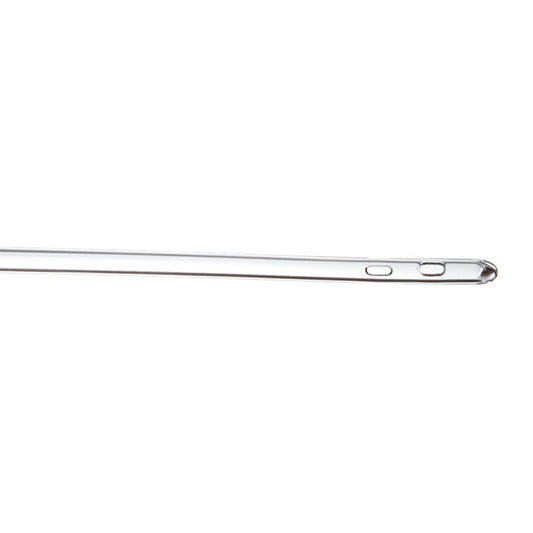
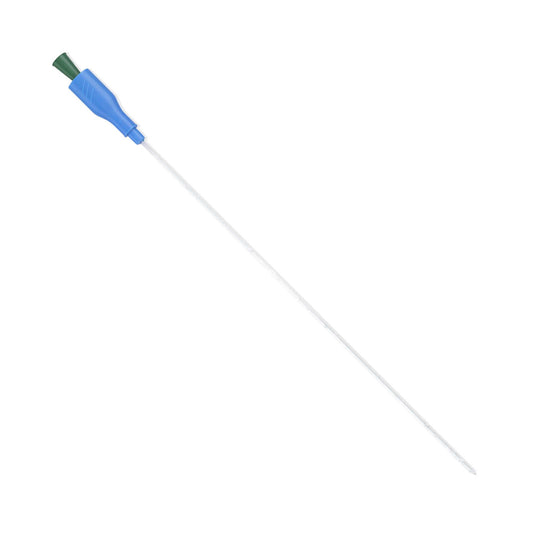
An intermittent catheter drains your bladder and comes out right away, so you use a new one each time. Choose a straight tip unless your doctor orders a coudé tip, which has a curved end to get past a narrow spot, such as an enlarged prostate. Choose a hydrophilic catheter if you want one that turns slippery in water, so you skip the separate lubricant, or a closed-system kit with its own bag if you use catheters at work or when you travel. Shop 169 intermittent catheters from Coloplast SpeediCath and Self-Cath, LoFric, GentleCath, and more, starting under $1.
External catheters
A male external catheter, also called a condom catheter, fits over the penis and drains urine into a leg bag or bedside bag. Choose one if you leak urine but can still empty your bladder on your own. Shop 74 external catheters from Coloplast Conveen, Bard Spirit, and more.
Foley catheters
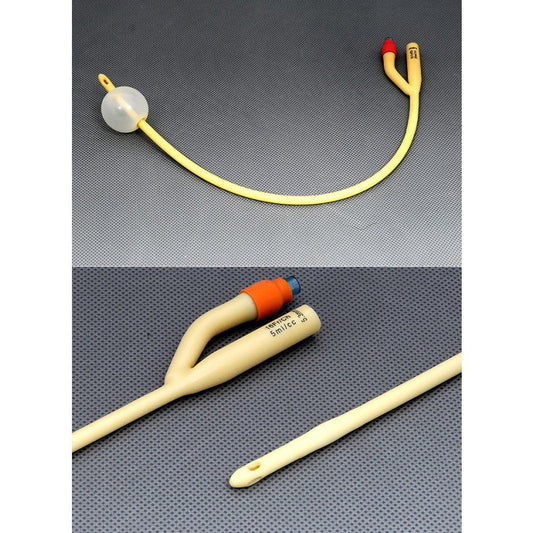
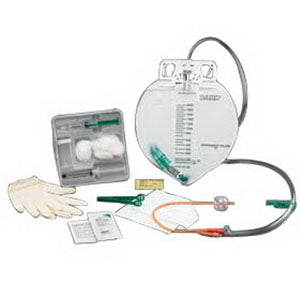
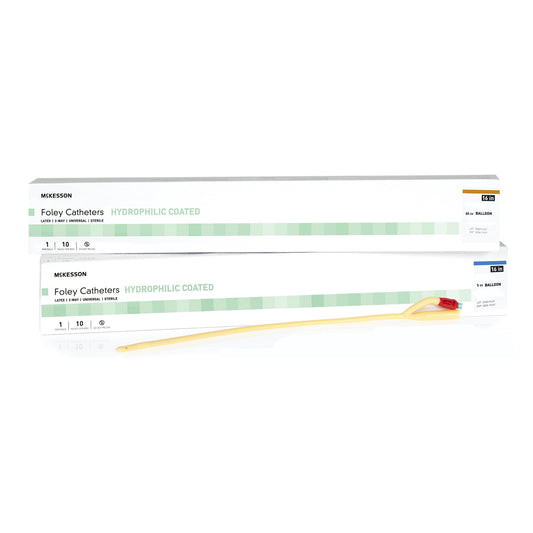
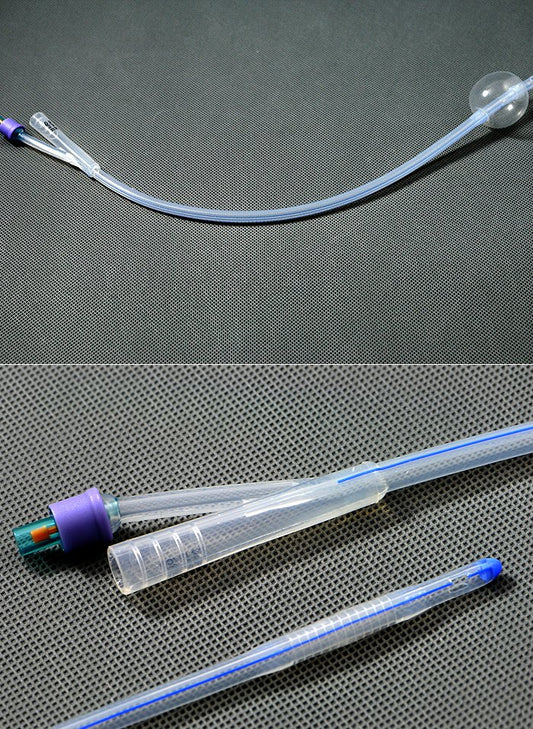
An indwelling Foley catheter stays in the bladder and drains into a bag all day and night. A small balloon holds it in place. Your doctor or nurse decides when to change it. Shop 102 Foley catheters and insertion trays from Bard, AMSure, and more.

Leg bags, drainage bags, and accessories
A leg bag straps to your thigh or calf under your clothes during the day. A bedside bag holds more urine, so you empty it less often at night. Leg bags start under $2. We also stock extension tubing, catheter valves, irrigation kits, and securement devices that hold the tube to your leg, so the catheter does not tug when you walk or turn in bed.
Leg Bags · Bedside & Night Bags · Catheter Securement Devices · Urology Connectors & Tubing · Irrigation Kits
Why order from Home Medix
Home Medix is a licensed durable medical equipment (DME) supplier. We bill Medicare for catheter supplies when you qualify. You can also pay yourself and set up Subscribe & Save.
-
Insurance billing. Medicare, Medi-Cal, and most major plans cover catheters for people who qualify. We bill them for you. Check your coverage online and upload your prescription and insurance card. Our team handles the paperwork with your doctor's office. Questions about coverage? Call our insurance team at (800) 403-1010.
-
Delivered on your schedule. Over 600 of our urology products are on Subscribe & Save. Choose how often your catheters ship, and change or cancel at any time.
-
Brands you know. Shop Coloplast, Bard, Hollister, ConvaTec, Wellspect LoFric, and more than 40 other brands.
-
Help from specialists. Need help finding the catheter on your prescription? Call our specialists at (888) 229-3792.
-
Fast shipping. Most orders ship within 1 to 2 business days, and orders of $50 or more ship free.


-
+ 7 options$1.52FSA/HSA EligibleSubscribe & save 5%Amsino International
AMSure® Silicone Coated Latex Foley Catheter, 2-Way
-
+ 2 options$13.74FSA/HSA EligibleSubscribe & save 5%Bard Home Health
LUBRICATH Drainage Bag 2-Way Foley Tray 16 Fr 5 cc
-
+ 7 options$2.42FSA/HSA EligibleSubscribe & save 5%Coloplast
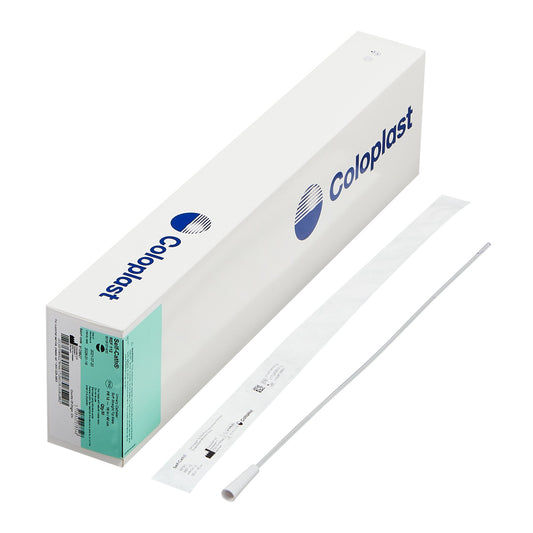
Self-Cath® Plus Urethral Catheter, Male
-
+ 9 options$6.00FSA/HSA EligibleSubscribe & save 5%McKesson Brand
McKesson Hydrophilic-Coated Latex Foley Catheter, Coudé Tip
-
-
+ 5 options$5.00FSA/HSA EligibleSubscribe & save 5%Amsino International
AMSure® Silicone Foley Catheter, 18 Fr.
-
+ 6 options$5.00FSA/HSA EligibleSubscribe & save 5%Amsino International
AMSure® 100% Silicone Foley Catheter, 30 cc
-
+ 5 options$11.00FSA/HSA EligibleSubscribe & save 5%Teleflex
Teleflex Medical Rüsch® Foley Catheter, 5 cc
-
+ 4 options$3.00FSA/HSA EligibleSubscribe & save 5%HR HealthCare
Swift™ PVC Urethral Catheter TruCath, Coudé Tip
-
-
+ 2 options$3.00FSA/HSA EligibleSubscribe & save 5%Coloplast
Self-Cath® Soft Unisex Urethral Catheter, 12 Fr.
-
-
+ 2 options$8.00FSA/HSA EligibleSubscribe & save 5%Bard
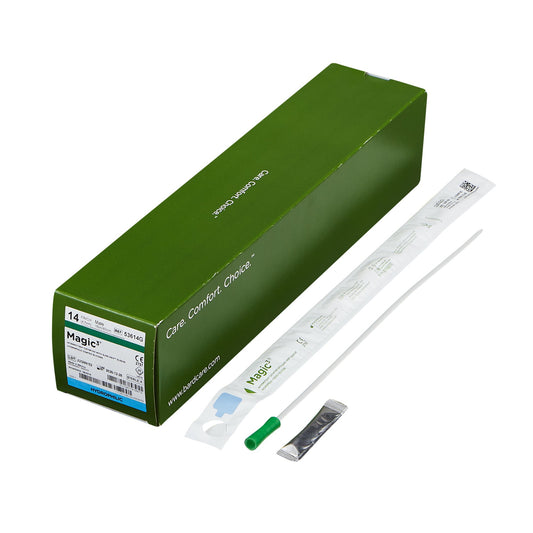
Magic3® Hydrophilic Male Urethral Catheter, 14 Fr.
-
+ 6 options$3.00FSA/HSA EligibleSubscribe & save 5%Coloplast
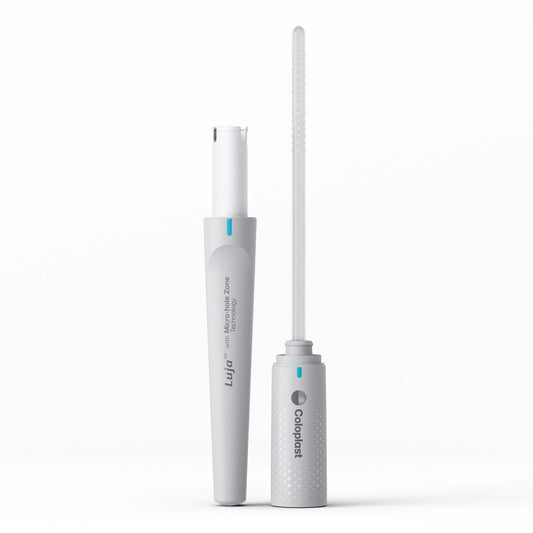
Luja™ Hydrophilic-Coated PVC Urethral Catheter, Straight Tip
-
+ 2 options$15.71FSA/HSA EligibleSubscribe & save 5%Hollister
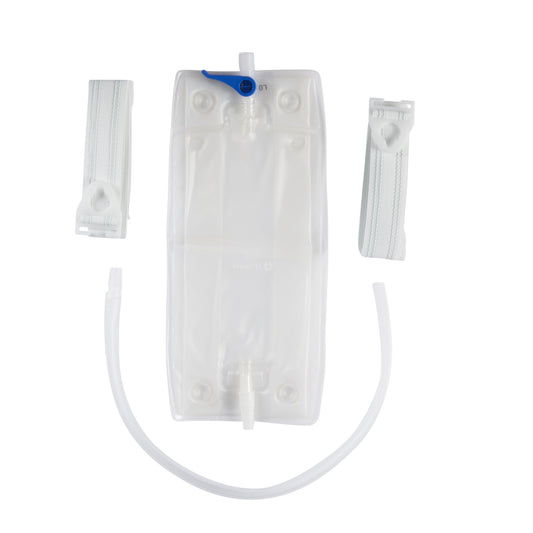
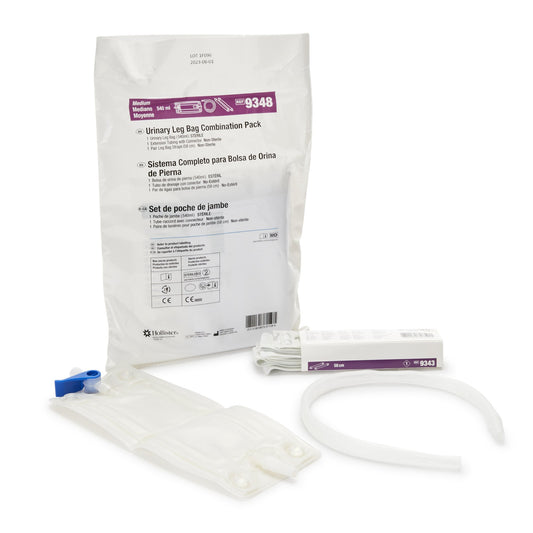
Hollister® Urinary Leg Bag Combination Pack, 900 mL
-
-
+ 2 options$4.00FSA/HSA EligibleSubscribe & save 5%Tidi Products
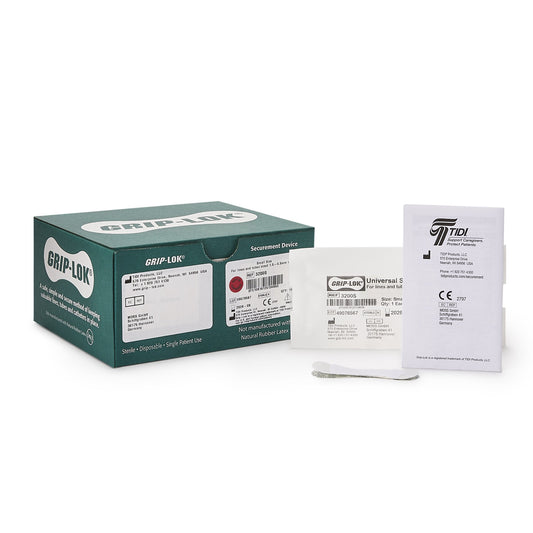
GRIP-LOK® Universal Securement Device
-
+ 5 options$10.32FSA/HSA EligibleSubscribe & save 5%Dynarex
Dynarex® Closed Circuit Catheter Tray, Foley
-
-






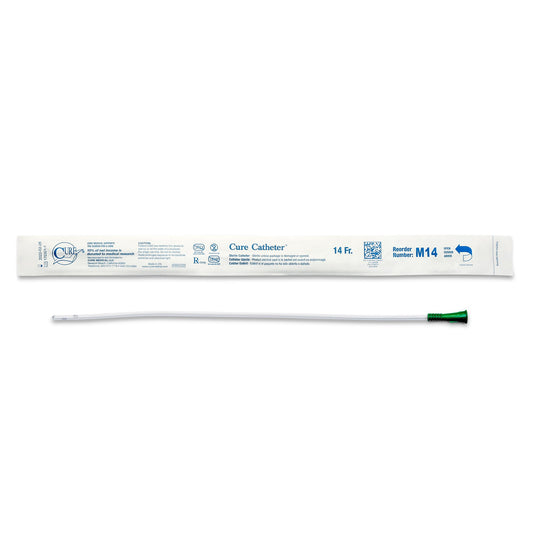
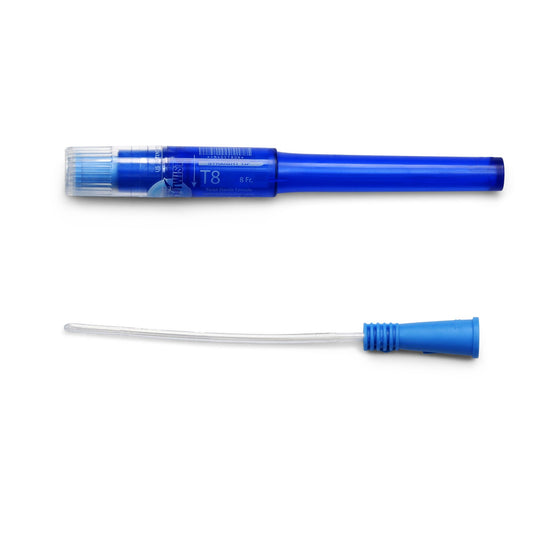
Not sure which catheter or bag matches the one you use now? Call our specialists at (888) 229-3792. Using insurance? Have your prescription and insurance card ready, then check your coverage.
How many catheters Medicare covers each month
Medicare Part B covers catheters and drainage supplies if you have permanent urinary incontinence or retention. Medicare counts it as permanent when your doctor expects it to last at least 3 months. Medicare covers the amount your doctor orders, up to these usual monthly maximums.
Medicare usual maximums for catheter supplies
| Supply | Medicare usual maximum |
|---|---|
| Intermittent catheters | 200 a month |
| Lubricant packets | 200 a month, 1 per catheter |
| Male external catheters | 35 a month |
| Indwelling (Foley) catheter | 1 a month |
| Leg drainage bags | 2 a month |
| Bedside drainage bags | 2 a month |
Source: Medicare coverage rule L33803 and policy article A52521 (Urological Supplies). Medi-Cal and private plans set their own limits on how many supplies they cover each month.
Subscribe & Save sends your supplies automatically, as often as you need them.
What catheter supplies do I need at home?
The supplies you need depend on the type of catheter you use. With intermittent catheters, you need the catheters plus lubricant if they are uncoated. With external or Foley catheters, you need leg bags for the day, bedside bags for the night, and securement devices. Some people also use irrigation kits.
What is the difference between intermittent, external, and Foley catheters?
An intermittent catheter goes in to drain your bladder and comes out right after. An external catheter fits over the penis and stays on the outside. A Foley catheter stays in your bladder day and night and drains into a bag until your doctor or nurse changes it.
Does Medicare cover catheters and urology supplies?
Medicare Part B covers catheters and urology supplies if you have permanent urinary incontinence or retention. You need a prescription and medical records from your doctor. Medicare limits how many catheters and bags it covers each month. We work with over 80 insurance providers, including Medicare, Medi-Cal, Aetna, Cigna, Humana, and UnitedHealthcare.
How many catheters does Medicare pay for each month?
Medicare usually pays for up to 200 intermittent catheters a month. That is one for each time you drain your bladder, plus a lubricant packet for each. It covers up to 35 male external catheters and 1 Foley catheter a month for routine changes.
How do I order catheter supplies through my insurance?
Before we bill Medicare, Medi-Cal, or another plan, we verify your coverage and eligibility. Our insurance team needs your prescription, both sides of your insurance card, and your doctor's medical records. Send them by email to orders@homemedix.com or by fax to (888) 553-0051. Start your coverage check online. If you're eligible, submit your order and our insurance team follows up within 1 to 2 business days. Don't see your plan? Request that we add your insurance.
Do I need a prescription to buy catheters?
Order the exact catheter on your prescription: the same type, tip, and size. Catheter size is listed in French (Fr), which measures how wide the tube is, such as 14 Fr. Each product page shows whether a prescription is required. To bill Medicare or another plan, you need a prescription and medical records from your doctor.
What is a hydrophilic catheter or a coudé catheter?
A hydrophilic catheter has a coating that turns slippery when wet, so you don't need a separate lubricant. A coudé catheter has a curved tip that gets past a narrow spot in the urethra, such as one caused by an enlarged prostate. You can buy both on our website, under Intermittent Catheters.
How much do catheters and leg bags cost?
An intermittent catheter typically costs $3 to $5, a Foley catheter typically $5 to $38, and a leg bag typically $5 to $14. With Medicare or another plan, you pay only your share of the cost, such as a copay or coinsurance.
Can I pay for urology supplies with my FSA or HSA card?
Many catheters, drainage bags, and accessories we sell can be paid for with an FSA or HSA card. The IRS counts supplies that treat a medical condition as medical expenses. Products marked FSA/HSA accepted accept your card at checkout. Unsure about an item? Chat with us or call our specialists at (888) 229-3792.
Can I get catheter supplies delivered automatically?
Subscribe & Save delivers your catheters and bags automatically, as often as you need them. Change or cancel anytime from your account, or call our specialists at (888) 229-3792.
How fast will my catheter order ship?
We ship most orders within 1 to 2 business days of receiving them, and delivery usually takes 2 to 5 business days. Orders of $50 or more ship free within the contiguous United States. Every order ships by standard ground service, and you get a tracking link by email.
Can I return urology supplies after I open them?
For hygiene reasons, you cannot return opened catheters, bags, or other supplies that touch your body. You can return unopened items within 30 days in their original packaging after we approve the return. We replace defective, damaged, or incorrect items at no cost.
Catheter supplies from an accredited, Medicare-certified supplier
 Accredited by The Joint Commission.
Home Medix has been awarded with the Gold Seal of Approval™ by The Joint Commission.
 Caring for patients since 1983.
Home Medix has delivered medical equipment and supplies to patients at home for more than 40 years.
 Pay your way.
Pay with Shop Pay, Apple Pay, PayPal, Google Pay, or your FSA or HSA card, or choose monthly payments with Affirm.